Project Details
 UTC Project Information
 Abstract
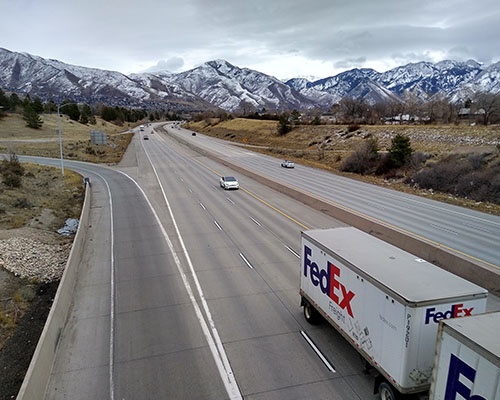 Work zone safety is a critical concern for UDOT and other transportation agencies due to the high incidence of crashes involving roadside operations. One of the most vulnerable roles in these settings is the Truck Mounted Attenuator (TMA) driver. TMAs are designed to protect road crews by absorbing the impact of errant vehicles, but the presence of a driver in these vehicles inherently places them at significant risk. Despite efforts to improve work zone safety, rear-end collisions involving TMAs continue to result in severe injuries and fatalities nationwide. This ongoing issue underscores a significant gap in safety that persists despite advancements in signage, barriers, and traffic control strategies. To address this issue, Autonomous Truck Mounted Attenuator (ATMA) technology has been developed with the objective of removing the driver from the TMA vehicle. This technology aims to reduce risk exposure for workers by allowing the impact vehicle to operate without an onboard driver during mobile operations such as striping, sweeping, and debris collection. By removing the driver from the most dangerous vehicle in the work zone — the impact truck — agencies can significantly mitigate the risk of fatal injuries resulting from rear-end collisions. Several state DOTs, including Florida, Indiana, Tennessee, and California, have piloted this technology, providing valuable insights into both its potential and limitations. Their findings indicate a range of operational, legal, and technical challenges that must be addressed prior to broad deployment. Common operational issues include system reliability in GPS-compromised areas, limited obstacle detection in constrained environments, communication delays in remote or urban canyon settings, and more complex tasks requiring stop-and-go movements or precise maneuvers in tight spaces. Given Utah’s diverse roadway environments, ranging from dense urban corridors to expansive rural highways, this research is expected to address multiple interrelated challenges on the adoption of ATMA technology: whether current Utah laws permit autonomous commercial vehicle operations such as ATMAs and what updates would be needed for eventual implementation, how well the technology performs under Utah’s operational and environmental conditions, and whether the economic investment is justified given both the anticipated safety benefits and the operational constraints. Factors such as weather-related impacts (snow, ice, dust), varying road geometries, and a wide range of traffic volumes further complicate direct adoption without local validation.
Project Word Files
project files
- UTC Project Information (Word, 88K)
Note to project PIs: The UTC document is limited to two pages. Also, it would be helpful if the Track Changes feature is used when editing either document above. Updated documents should be emailed to ndsu.ugpti@ndsu.edu.